Definition and Origin
Fairies are supernatural beings present in the folklore and mythology of numerous cultures around the globe. They are generally described as ethereal entities, diminutive or human-sized, endowed with magical powers and a close connection to nature. Unlike gods or demons, fairies occupy an intermediate space: they are not worshipped in temples, yet they command respect; they can be helpful or harmful, capricious or devoted.
The word "fairy" derives from the Latin fata, a term linked to the Roman Fates—the three goddesses who spun, measured, and cut the thread of each mortal's life. This etymological connection suggests that fairies were once understood as beings who influenced human destiny. In Celtic tradition, they are known as sidhe (pronounced "shee") or aos sí ("people of the mounds"), spirits that dwell in ancient hills, barrows, and fairy forts—places that were considered portals to the Otherworld.
Throughout history, fairies have been interpreted in countless ways: as remnants of pre-Christian deities driven underground by the new faith; as nature spirits who animate rivers, trees, and storms; as the souls of the dead who have not fully departed; as fallen angels who were not good enough for heaven nor bad enough for hell; or as beings from a parallel dimension that coexists with our own. Each interpretation reflects the anxieties, hopes, and worldview of the culture that produced it.
Main characteristics
Although fairies vary enormously from one tradition to another, certain traits appear again and again across cultures and centuries:
- Connection with nature: Fairies are almost universally associated with wild, untouched places—forests, springs, mountains, meadows. They are guardians of these spaces and are said to punish those who despoil them. The idea that fairies protect nature has made them appealing symbols for environmental movements.
- Magical powers: Fairies can grant wishes, heal the sick, bestow good fortune, or—when offended—curse, confuse, or abduct humans. Their magic is often depicted as subtle: they don't typically wave wands but instead influence events through charms, glamour, and the manipulation of luck.
- Duality: Perhaps no other characteristic is more consistent than the fairies' ambivalence. They can be benevolent one moment and cruel the next. They reward kindness and punish rudeness, but their standards are mysterious. This unpredictability reflects the capriciousness of nature itself.
- Invisible realm: Fairies are said to inhabit a world that overlaps with ours but is normally invisible. Those with "second sight" or "faerie sight" can perceive them; others might catch glimpses at twilight, during certain festivals, or in liminal spaces. The boundary between the human and faerie worlds is porous but dangerous to cross carelessly.
- Respect for the environment: Stories abound of fairies rewarding those who care for the land and punishing those who pollute, overharvest, or show disrespect. This theme has resonated powerfully in modern ecology.
Physical appearance and variations
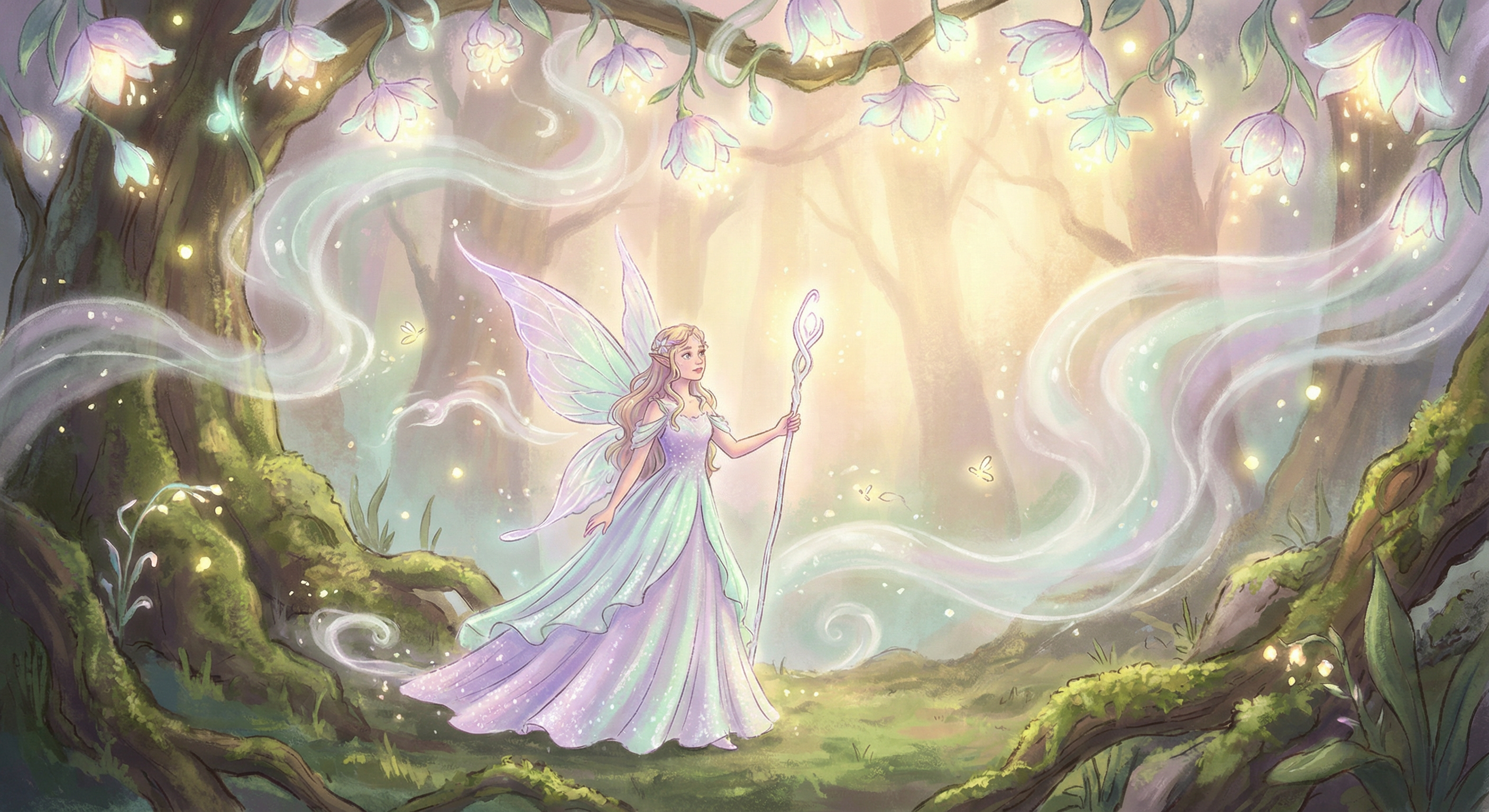
There is no single way to describe a fairy's appearance. In some traditions they are tiny—no taller than a thumb—with delicate wings like butterflies or dragonflies. In others, they are as tall as humans or even taller, possessed of unearthly beauty. The Victorian era codified the image of the small, winged fairy in pastel dresses, but this is only one of many representations. Scottish baobhan sith appear as beautiful women but have hooves hidden beneath their dresses. The Irish dullahan carries his head under his arm. Scandinavian trolls are massive and grotesque. What unites these disparate forms is their otherness—they are never quite human, always slightly beyond our comprehension.
Fairies in the modern imagination
The 20th and 21st centuries have seen fairies reimagined repeatedly. J.R.R. Tolkien's elves drew heavily on Norse and Celtic lore. Disney's Tinker Bell became an icon. Urban fantasy has given us fairies as anything from ancient warriors to tattooed baristas. Despite these transformations, the core appeal remains: fairies represent the possibility of magic in an increasingly rationalized world.
Why do they fascinate us?
Fairies represent the bridge between the visible and the invisible world, between reason and magic, between the tame and the wild. In an increasingly urban and technological age, they remind us of the importance of maintaining contact with nature and preserving that capacity for wonder that makes us human. They invite us to look twice at a moonlit clearing, to listen for music in the wind, to believe—if only for a moment—that the world holds more mysteries than we have yet uncovered.